


Résumer cet article :
Undoubtedly, the current period is seeing a reassessment of many connected solutions. After the Qiara alarm system, it is now the turn of Boks and its connected parcel box. An unexpected fall that once again questions the reliability of connected objects that rely entirely on the Cloud. From the promise of an easier parcel reception to the fear of having one’s parcel box become inoperative overnight, thousands of users are wondering how to regain access to their equipment. Between the necessity of a paid migration, a laborious transition to the new company Boks, and the search for alternatives, the matter has sparked lively debates within the early adopter community.
In brief: what to remember from the bankruptcy of Boks ?
- Boks revolutionized parcel reception with its connected box, but the original company went bankrupt at the end of 2024.
- The software service risks definitive closure if reactivation through migration to the new company is not completed.
- A one-time payment is requested to fund the upgrade of the infrastructures (maintenance, servers, security).
- Mixed reactions : between weariness regarding dependence on the Cloud, anger from users, and promises from the founder.
- Alternative solutions are emerging : support groups, parcel boxes for purchase or DIY construction.
Boks : the connected mailbox that revolutionized the field
In 2019, the company Boks committed to transforming the daily lives of those faced with the hell of failed deliveries. As one of the first testers, the system allowed me to receive numerous parcels and letters without needing to be physically present, thanks to an intelligent box controlled via Bluetooth or remotely via the mobile app. Boks, with its secure BoksTAG, became a favored tool for families and professionals receiving online orders.
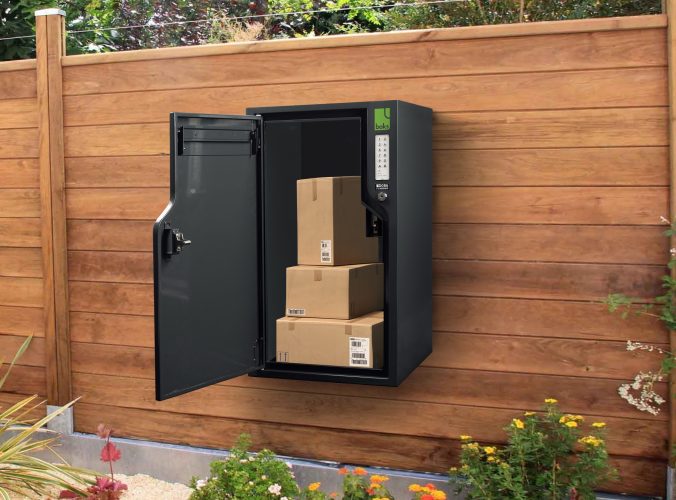
The genius of Boks technology lay in its simplicity : a delivery person could open the box at any time using a temporary code generated on demand, while the owner retained control of the access. The app allowed for managing notifications, generating unique codes, and consulting delivery history. Meanwhile, the permanent connection to the Cloud provided smooth and rapid synchronization of users and permissions.
- Increased security for deliveries using one-time codes.
- Shared management between household members or collaborators.
- Integration with major delivery services.
The innovation of Boks quickly captivated delivery stakeholders and nomadic consumers, positioning the company at the forefront of connected objects in France.
Boks Bankruptcy : timeline, causes, and consequences for users
The year 2024 unfortunately disrupted the Boks ecosystem. After charming investors and media, the company behind Boks, struck by a sudden withdrawal of its main investor, was forced to enter into judicial liquidation. The withdrawal of this financial support, combined with an increased competitive context, precipitated the fall of Boks as thousands of users depended on its infrastructures daily.
By mid-November, the announcement of liquidation cut short hopes of continuity. Lacking resources, the original software and the servers hosting access rights management were deemed unviable. For customers, this translated into progressive malfunctions, followed by the very real threat of permanently losing access to their parcel box.
- Scheduled cessation of the original application.
- Uncertainty regarding maintenance and data security.
- Difficulty in contacting customer service, as the company is legally dissolved.
Migration to the new Boks : conditions, costs, and reactivation guide
In the wake of the liquidation, a new company bearing the same name emerged under the impetus of the founder, Adrien Oksman, accompanied by several former employees. Technically and legally distinct, it offers former clients a migration offer for reactivation of the service: existing equipment must be linked to the new infrastructures, now managed from scratch.
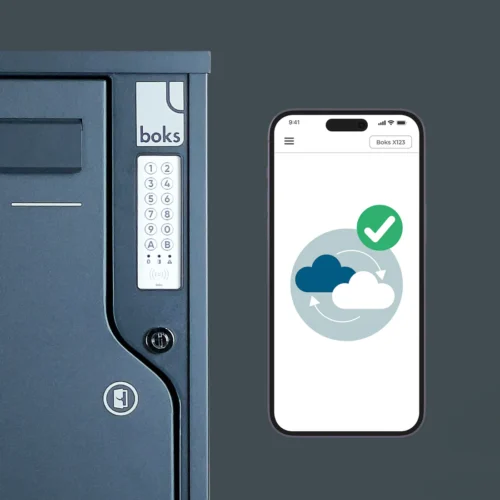
The company emphasizes the absolute necessity of financial participation, set at €119, required in one payment (with the code BOKSISBACK, your participation is reduced to €99. According to the founder, this process aims to cover the costs related to restoring the servers, software maintenance, support, and securing access. This payment conditions access to the service, but it is not mandatory : the reactivation only concerns clients wishing to restart their equipment, as the boxes will no longer function otherwise.
- One-time, non-recurring participation.
- Reassignment of the account to the new company.
- Delays of 3 to 7 days are announced for reactivation after registration.
The detailed procedure includes identity verification of the owner, re-registering the box within the new infrastructures, and reconfiguring security access on the app. At the end of the process, a Bluetooth communication check ensures control on-site in case of failure of remote access.
The challenge for the new company is clear : reassure a disoriented user base while sustaining the economic model to ensure the lasting maintenance of the service.
Users very mixed
On social networks and forums, the frustration of users was immediately heard. Many question the legitimacy of a new payment to regain a service already paid for at the time of box purchase, which was already at a “premium” cost. Discussions on Dealabs or Facebook groups highlight a sense of injustice, but also testimonies from clients willing to “play along” to avoid permanently losing access to their equipment.
In response to the discontent, the founder has published several messages to defuse accusations of opportunism. He assures the unique nature of this participation, defending himself against making unjust profits; the costs are linked, according to him, to data security and the revival of infrastructures. A roadmap envisions the future development of a local backup mode to reduce reliance on remote servers, which would enable liberation from such issues once and for all.
The risk of obsolescence of connected objects relying on the Cloud
The Boks case highlights a blind spot of connected objects, which we have already discussed many times on the site : their future entirely depends on the durability of the company and its Cloud infrastructures. As with other Smart Home products, a bankruptcy, service disruption, or simple strategic shift can render an investment inoperable.
Many Boks users today fear experiencing this situation again if the new company fails to make the equipment autonomous. Indeed, if bankruptcy happened once, what guarantees are there that it won’t happen again?
- Extreme dependence on the proper functioning of remote servers.
- Major risk in case of internet outage or service provider shutdown.
This leads back to a question of common sense : should we accept that an expensive object becomes “brick” due to an infrastructure beyond its control ? The Boks situation calls for vigilance regarding technological choices in the years to come.
Alternative solutions : mailboxes for purchase or DIY
In light of Boks’s troubles, several users have opted to either migrate to competing parcel boxes or to build their own autonomous solution. Standard models, devoid of connectivity or with local programming, are available on the market at costs ranging from simple to triple.
Among the solutions, we can note:
- the possibility to continue using one’s Boks if permanent codes have been noted. Thanks to these codes, which remain functional without any mobile app, it is still possible to communicate one to the delivery person, and to use one to open the Boks. This is what I personally do. We lose the connected aspect and notifications, but delivery remains possible.
- the same with the BoksTag, which continues to function even without the app.
- it is also entirely possible to replace the lock of the Boks with a model approved by the Post Office, so that delivery people can open it mechanically, like any classic mailbox. We certainly lose the security of codes and the connected aspect, but parcel reception can continue. This is a 100% autonomous mechanical system.
For others, the choice has been made to put their hands back in their pockets, but to move on to a different solution, such as this model, for example:
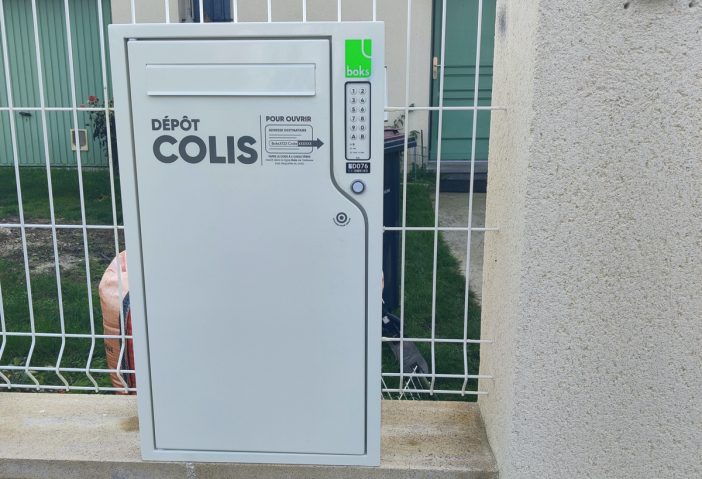
Finally, others have simply preferred to ignore the connected part and revert to a mechanical and totally autonomous parcel box:
A difficult choice, especially when one has built a wall or cut a fence around the Boks: it is necessary to manage to find a model of the same dimensions…
To date, the question arises for each possession of a connected object : is it better to prioritize innovation – at the risk of losing everything – or resilience at the cost of returning to simplicity ? What’s your opinion?


Please remain courteous: a hello and a thank you cost nothing! We're here to exchange ideas in a constructive way. Trolls will be deleted.