


'/%3E%3Cpath%20fill='%23b2b2b2'%20d='M241%20382q0%2016%2017%2026%2017%2011%2042%2011t42-11q16-11%2017-26V269H241'/%3E%3Cpath%20fill='%239f7e00'%20d='M241%20379q0%2014%208%2023%209%209%2021%209%2014%200%2021-9%209-9%209-23V269h-59'/%3E%3Cpath%20d='M241%20339v-70h59v110q0%2014-9%2023l-6%205v-68h-15v72q-8%200-14-4v-68zm59%2040c0%2022%2015%2032%2029%2032%2021%200%2030-18%2030-32v-40h-59'/%3E%3Cpath%20fill='%239f7e00'%20d='M266%20277v5h2v12h-3v-5h2v-5h-9v5h2v5h-4v9h3v18h-5v10h34v-10h-5v-18h3v-9h-4v-5h2v-5h-9v5h2v5h-3v-12h2v-5zm42%20101q0%2010%206%2017%206%206%2015%207%2010-1%2016-7%206-7%206-17v-29h-43'/%3E%3Ccircle%20fill='%230044ad'%20cx='329.5'%20cy='372'%20r='6'/%3E%3Cellipse%20fill='%230044ad'%20cx='300'%20cy='340'%20rx='16'%20ry='21'/%3E%3C/svg%3E)

'/%3E%3C/g%3E%3Cuse%20href='%23c'%20transform='matrix(-1%200%200%201%20720%200)'/%3E%3C/svg%3E)


'%3E%3Cpath%20stroke='%23000'%20stroke-width='4'%20d='m-35-37-13%2020m5%203%2013-20m5%203-13%2020m63%2042%206-9m1-2%206-9m5%203-6%209m-1%202-6%209m5%203%206-9m1-2%206-9m-96%200%2013%2020m5-3-6-9m-1-2-6-9m5-3%2013%2020m63-42-6-9m-1-2-6-9m5-3%2013%2020m5-3-6-9m-1-2-6-9'/%3E%3Ccircle%20r='24'%20fill='%23cd2e3a'/%3E%3Cpath%20fill='%230047a0'%20d='M0%200a12%2012%200%201%201%2020%2013%2024%2024%200%201%201-40-26A12%2012%200%201%200%200%200'/%3E%3C/g%3E%3C/svg%3E)


Résumer cet article :
Home Assistant on Android has become, as its name suggests, the essential companion of our home automation system. We know it, we use it, sometimes we curse it when a light bulb refuses to obey. But after more than two years without any real official communication, the version 2025.7.1 finally arrives and significantly shakes up the daily lives of mobile home automation users. Behind this wave of new features lies a whole philosophy: putting the user at the center, simplifying the management of the connected home, and bringing Android and iOS closer together. Let’s discover the new features in more detail.
A new breath (and a dedicated developer!)
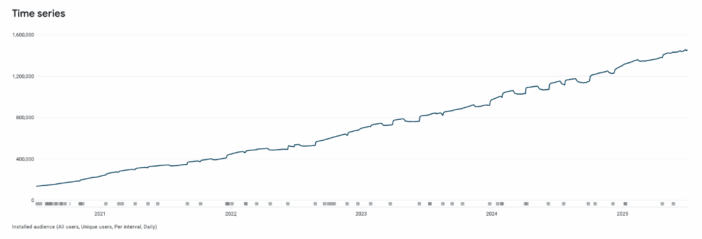
Home Assistant is above all a community. But until now, the development of the Android app relied on the valiant shoulders of volunteers. Now, a significant change: the Open Home Foundation has recruited Timothy Nibeaudeau, an experienced Android developer who is fully committed to the project. Gone are the days when the app made small strides: today, it’s turbo boost with a clear vision and frequent updates. Proof of the excitement: the app now boasts 1.5 million active installations, 400,000 daily users, and a rating of 4.3 on the Play Store! We are far from a gimmick; here we are talking about a true “companion” for everyday life.
Changes that really speak to users
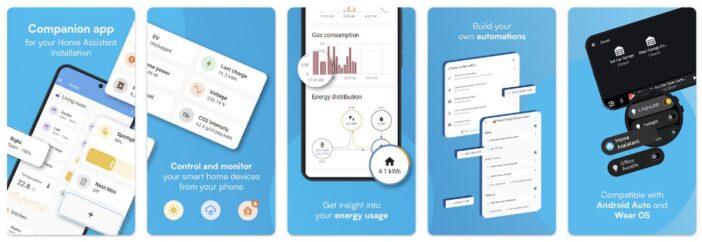
Since the last major update over two years ago, Home Assistant for Android has “quietly” enriched itself… But under the hood, we find real gems. Complete integration of Health Connect: tracking heart rate, physical activity, or blood sugar from Home Assistant becomes child’s play, with absolute control over the shared data. Imagine a scenario where the coffee machine starts when your activity sensor detects the end of your morning run. It’s these little victories that make the difference, isn’t it?
The arrival of Assist on Android (and Wear OS) also gives a serious boost to voice control at home: no need for Google Assistant or Alexa when Home Assistant’s assistant handles everything locally, without depending on any cloud. And if you love extreme customization for your interfaces, the option to set Home Assistant as the default launcher (ideal for a wall tablet in the living room or kitchen: boom, direct home automation control as soon as the screen powers on).
Oh, and since we’re talking about it: support for Wear OS is improving with new tiles, including a connected thermostat that displays with a simple wrist gesture. To-do lists find new life in widgets, perfect for not forgetting to buy milk after operating the roller shutter! You can feel that attention to detail shines through everywhere.
Android Auto, Z-Wave, Wi-Fi networks… and focusing on simplicity
Users of Android Auto are seeing new sensors arrive: speed, remaining battery, etc. Imagine automatically triggering the opening of the home gate as you approach, or receiving an alert when the car battery is nearing the red (it’s better than waiting for it to break down, trust me). The integration of Improv Wi-Fi via Bluetooth simplifies connecting little wonders like Home Assistant Voice Preview Edition. Just pair, and that’s it, avoiding tedious technical maneuvers of the old school.
It should also be noted that the Z-Wave onboarding has improved: a simple QR code scan is now enough to associate a new device. Between us, this is exactly what was needed to compete with the ultra-smooth experiences of the Apple HomeKit ecosystem…
Accessibility, stability, speed: the winning combo
On the technical side, version 2025.7.1 notably accelerates the pace: “edge-to-edge” interface perfectly integrated with the latest Android standards, better management of “My Links” (no more navigating through the app’s maze to find your favorite plugin, everything is just a click away), and above all, a stability finally at its peak. Major slowdowns have disappeared, and opening the app is almost instantaneous. And the best part: novice contributors can now more easily get involved in the project. The “open source” atmosphere is becoming even more lively.
End of compatibility with Android 5.x: towards modernity
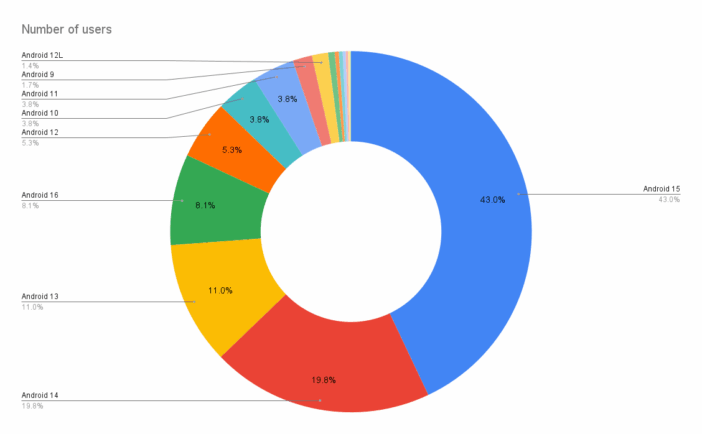
So yes, the nostalgic will complain: Home Assistant says goodbye to devices running Android 5.0/5.1 (still less than 0.3% of the affected installations). The application now requires at least Android 6.0, to ensure security and compatibility with the latest APIs. It’s simply a guarantee of peace of mind for future integrations.
Towards an iOS/Android convergence and new ambitions
What stands out even more in this new roadmap is the desire to offer a similar experience, regardless of your camp, iOS or Android. After recruiting an iOS expert in 2023, Home Assistant is also strengthening its Android side. The stated goal? To create a home automation platform that is as enjoyable as it is robust to use, where the user is no longer constrained by a closed ecosystem.
We already dream of a system where the whole family, on different devices (watch, tablet, smartphone), controls the home seamlessly, receives notifications on everyday devices, and manages automations from the couch or the other side of the world.
A community dynamic that does not fade
This excitement is no coincidence: the community is more active than ever, with nearly 2,700 contributions to the Android project since its inception, over 6 million cumulative installations, and a roadmap that is finally transparent regarding user expectations.
As a cherry on the cake, if you are passionate, a tinkerer, or simply curious, the door is wide open to help write the future. We bet that the next wave of new features will surprise us with even crazier innovations (when will we see native Matter compatibility in a plug-and-play way, for example?).
In the meantime, Home Assistant version 2025 truly multiplies the good ideas: local connected services, fine management of rights and privacy, optimization for all devices, and a genuine desire to make Android the ideal companion for connected daily life. Really, it makes you want to push the walls and imagine new uses: controlling the automatic watering of the garden according to the weather, gently turning on the hallway light in the morning according to the school calendar, or even triggering a playlist for Sunday breakfast.
In short, Home Assistant doesn’t just optimize the home. It makes it a bit more vibrant, attentive, and personalized. And that is far from trivial.




Please remain courteous: a hello and a thank you cost nothing! We're here to exchange ideas in a constructive way. Trolls will be deleted.